All Articles
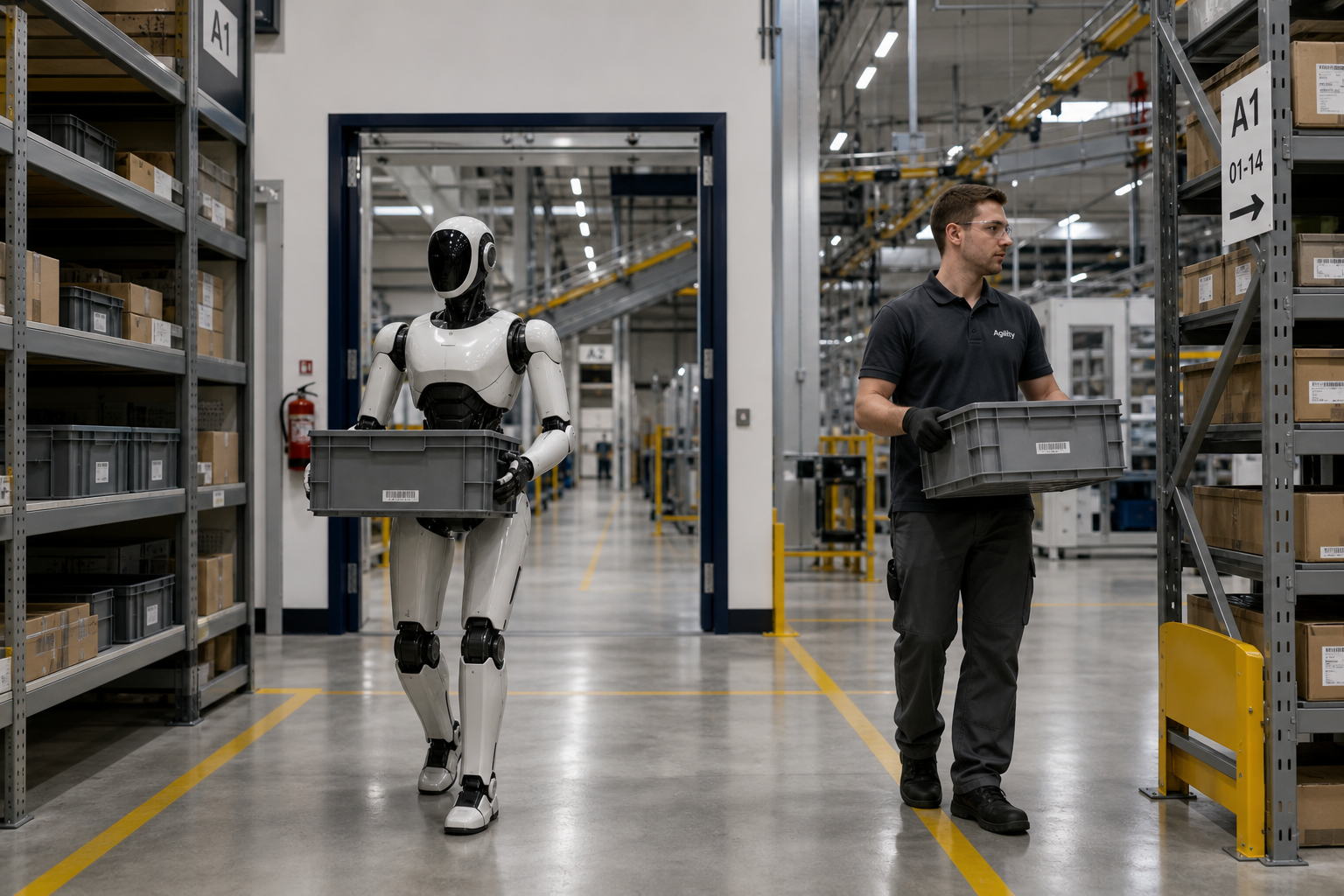
Physical AI and Humanoid Robotics in 2026: Separating Signal from Hype
Industrial robotics and humanoid AI are converging into a distinct category called Physical AI. Here's what the data actually shows about market size, capital flows, and the gap between production targets and shipped units.
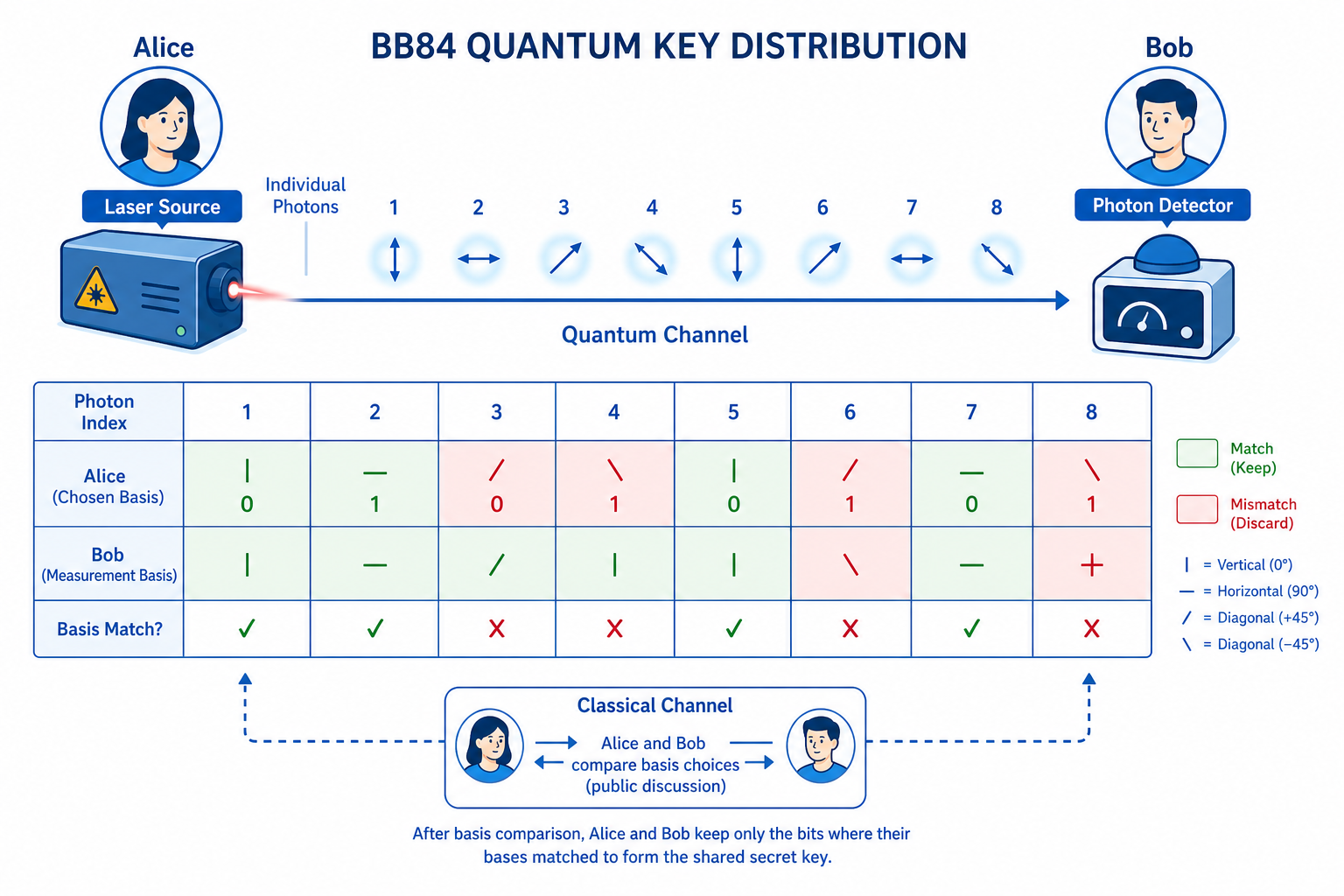
How Quantum Key Distribution Works: A Technical Deep Dive
Quantum key distribution uses the physics of photons to let two parties detect eavesdropping and share provably secure encryption keys. Here's how the mechanism actually works.
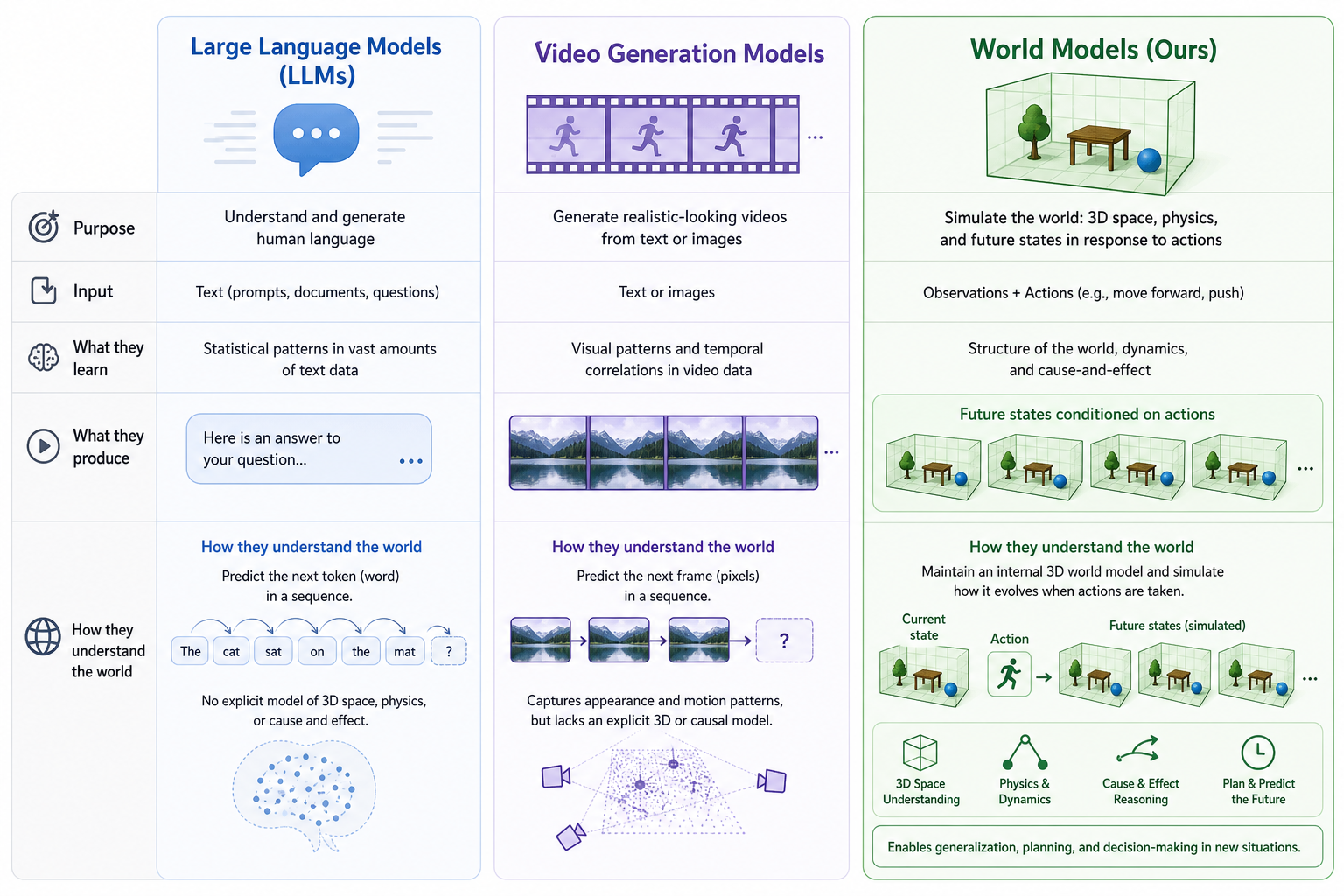
World Models in AI: The Next Frontier Beyond Large Language Models
World models are emerging as a distinct AI paradigm focused on simulating physics, space, and causality rather than predicting text. Here's what technical leaders are building and why it matters.
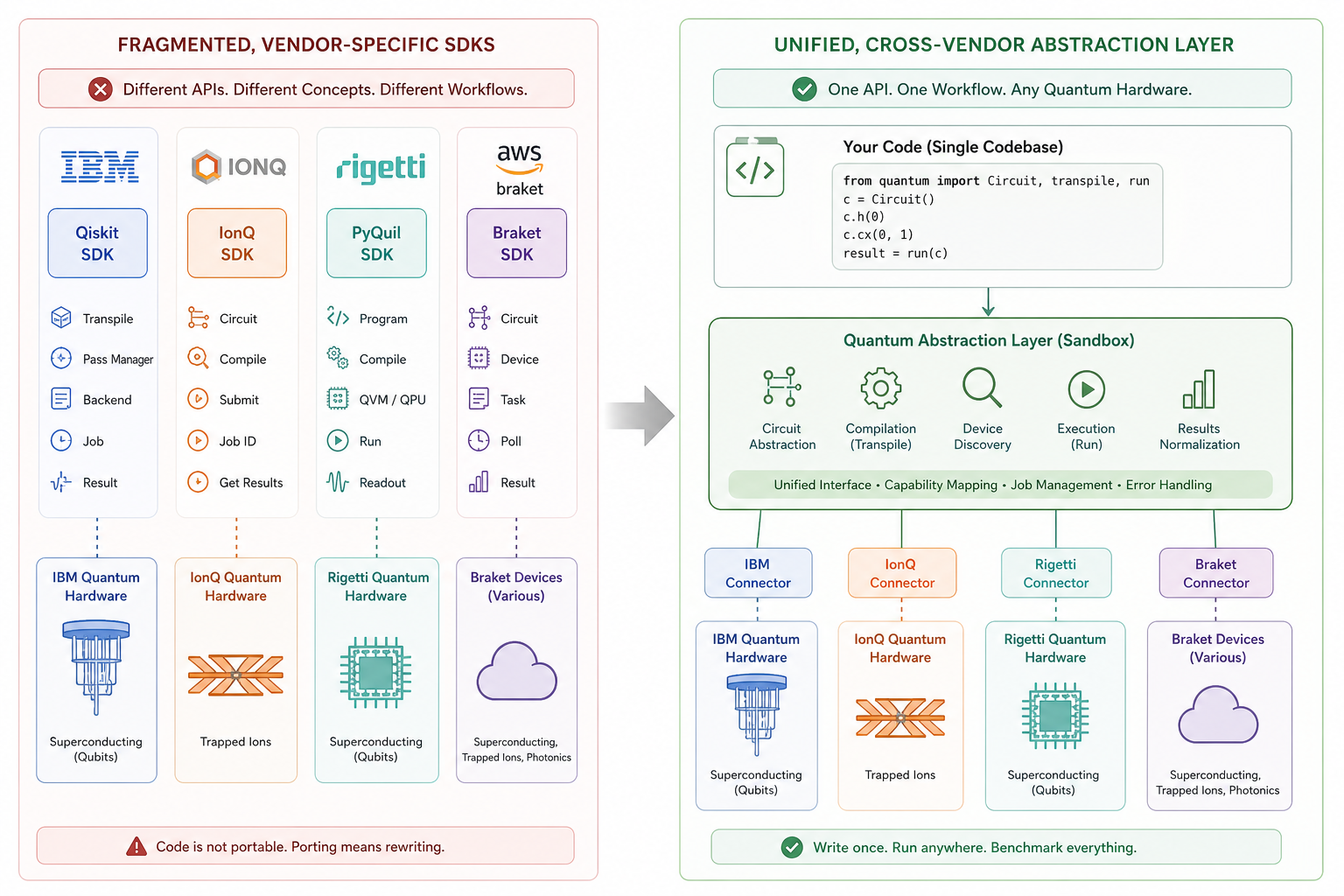
Vendor-Agnostic Quantum Sandboxing: Benchmarking IBM, IonQ, Rigetti, and Braket from a Single Codebase
qBraid Lab and the Qiskit-Braket Provider v0.11 are solving quantum computing's fragmentation problem, letting architects write one circuit and benchmark it across IBM, IonQ, Rigetti, and Braket-hosted hardware without rewriting vendor-specific code.
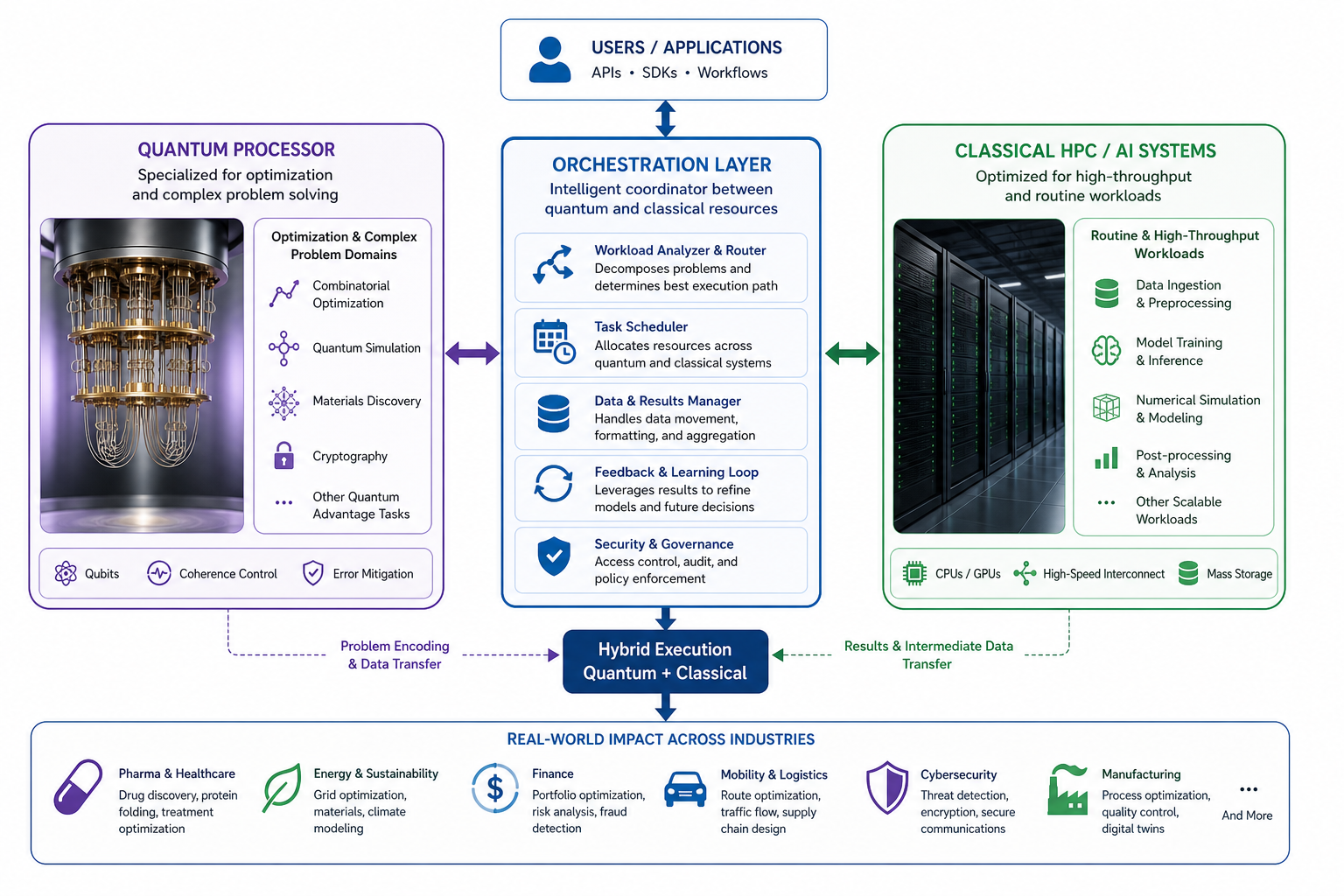
Quantum Computing in 2026: From Research Curiosity to Engineering Discipline
Quantum computing is shifting from lab experiments to early commercial deployment in 2026. Here's what's driving the transition: error correction breakthroughs, real-world simulations, funding surges, and the urgent push toward post-quantum cryptography.
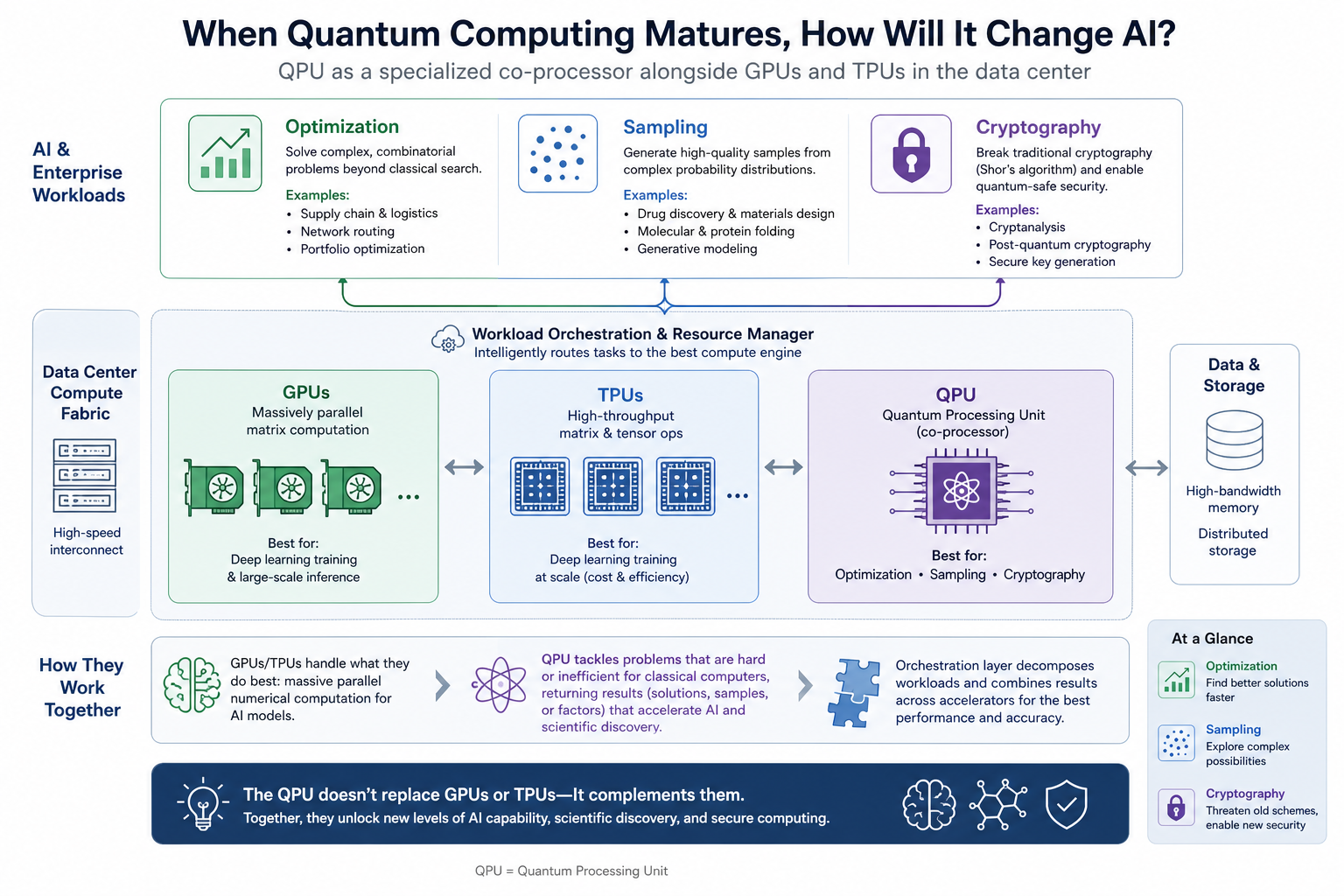
When Quantum Computing Matures, How Will It Change AI?
Quantum computing and AI are converging as complementary technologies, not rivals. Here's a grounded look at what quantum hardware could realistically bring to AI workflows—and why the timeline matters more than the hype.
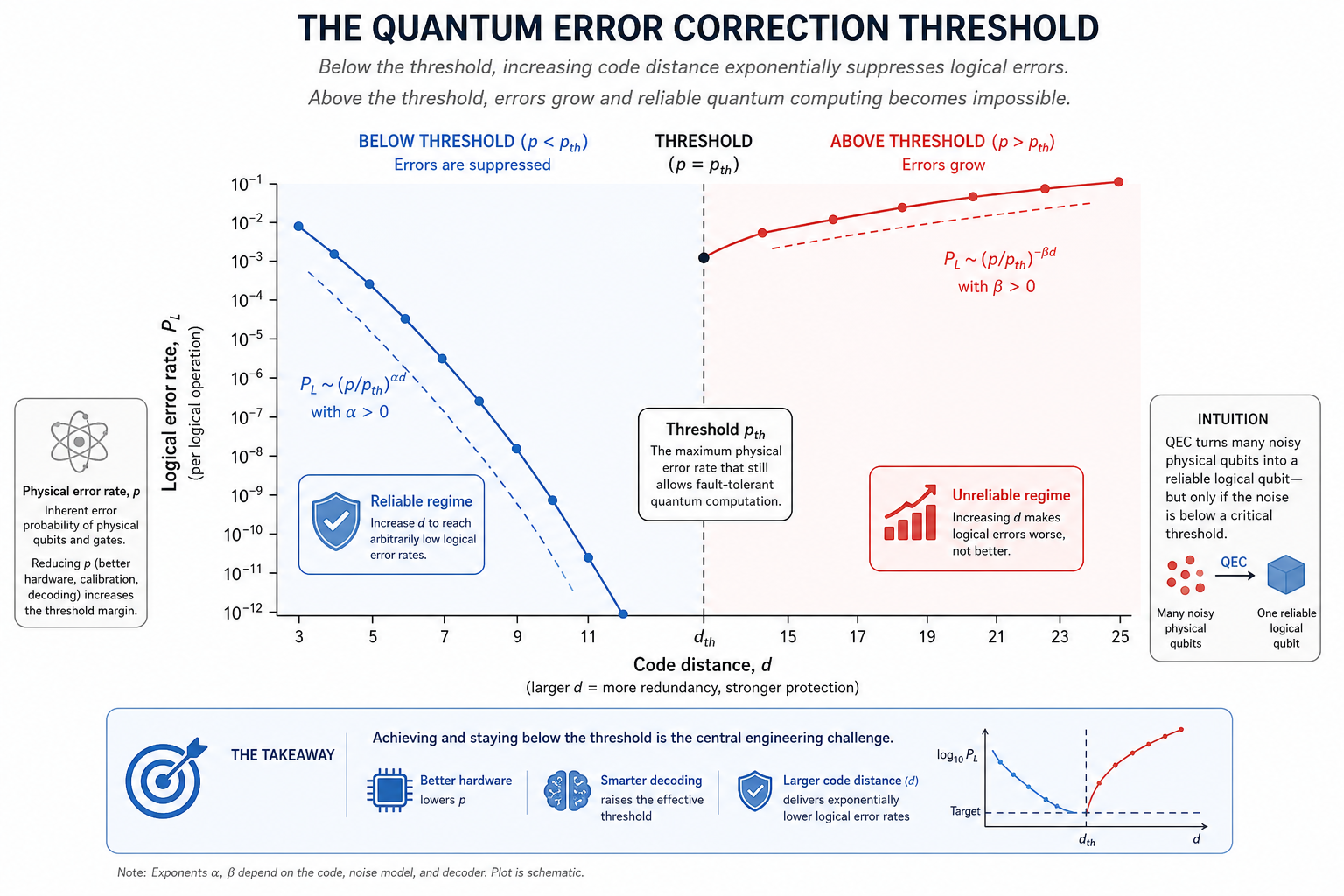
Quantum Error Correction in 2026: From Physics Curiosity to Engineering Discipline
A detailed look at how quantum error correction crossed a critical threshold in 2026, with Google, QuEra, Quantinuum, IBM, and Microsoft all posting engineering-grade results that push fault-tolerant quantum computing toward the early 2030s.